What is the background story?
When you think of Eastern Kentucky and what makes it so unique as a region there are a number of things that come to mind. However almost everything that people think of when they think of the region is a direct result of coal mining. The long and interesting history of the bank mule all started around the industrial revolution when coal became a highly demanded fuel for the country. The demand for the mineral brought opportunity to the impoverished mountain region and opened up possibilities for economic developments that were not yet possible. With coal came the railroads and they enabled the travel of good that were not yet available in the region. Furthermore, the coal industry brought in new life to the mountains as well, bringing Immigrants of mostly Western European countries to the mountains. The mix of diverse culture, as well as the new infrastructure and economy, formed the perfect conditions to create the image people associate with Eastern Kentucky today. With a newly founded way of life that was reliant on the resources that defined the region, it makes sense that coal held such as deep significance to Eastern Kentucky, and it still holds that value even in modern times.
What does coal have to do with the course?
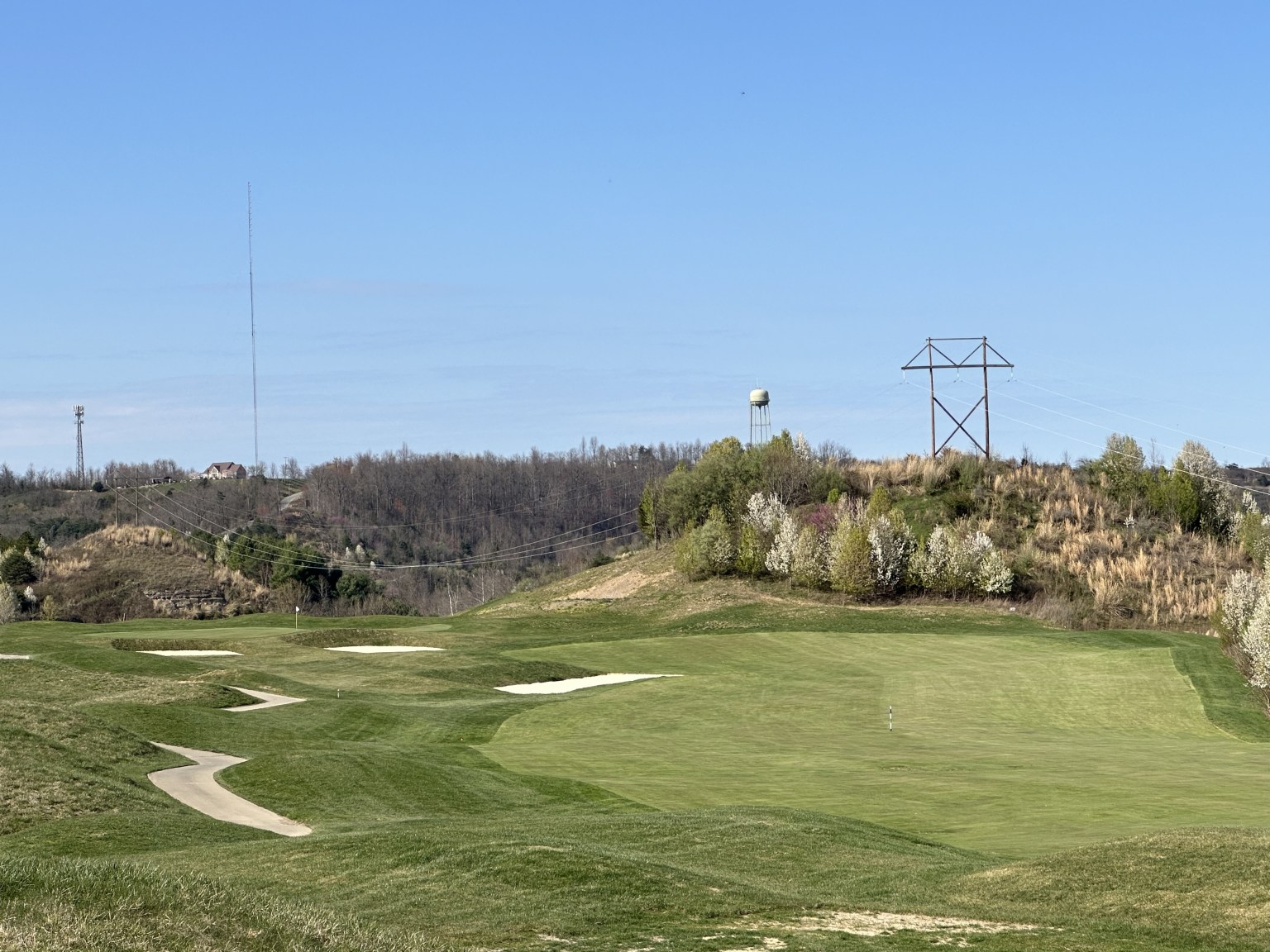
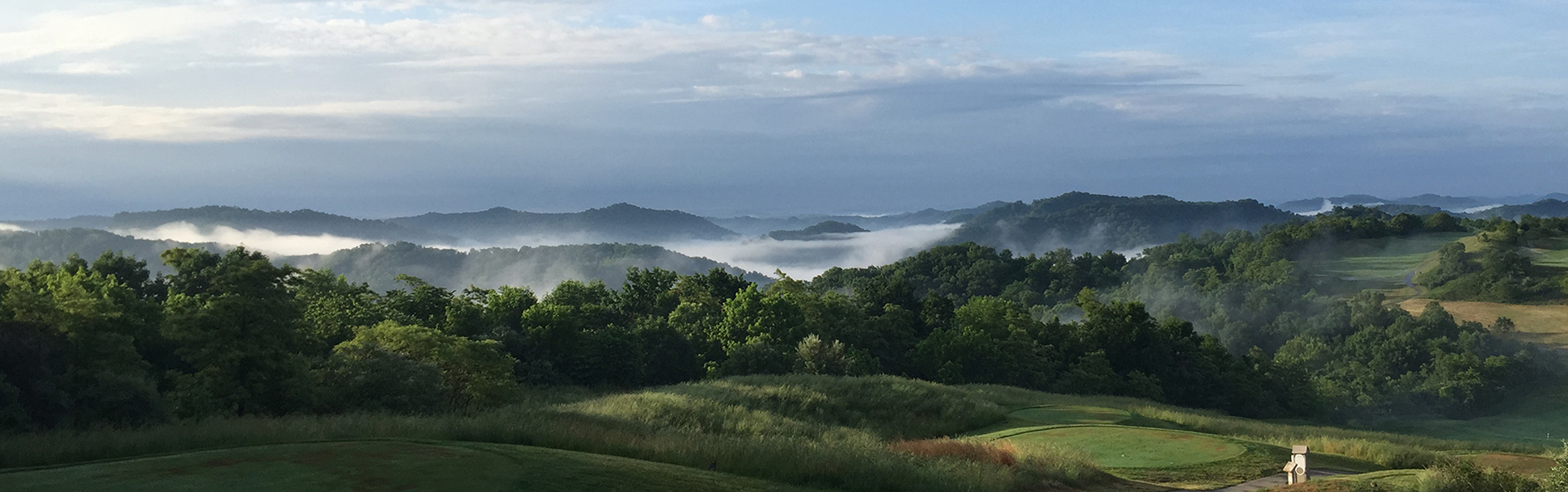
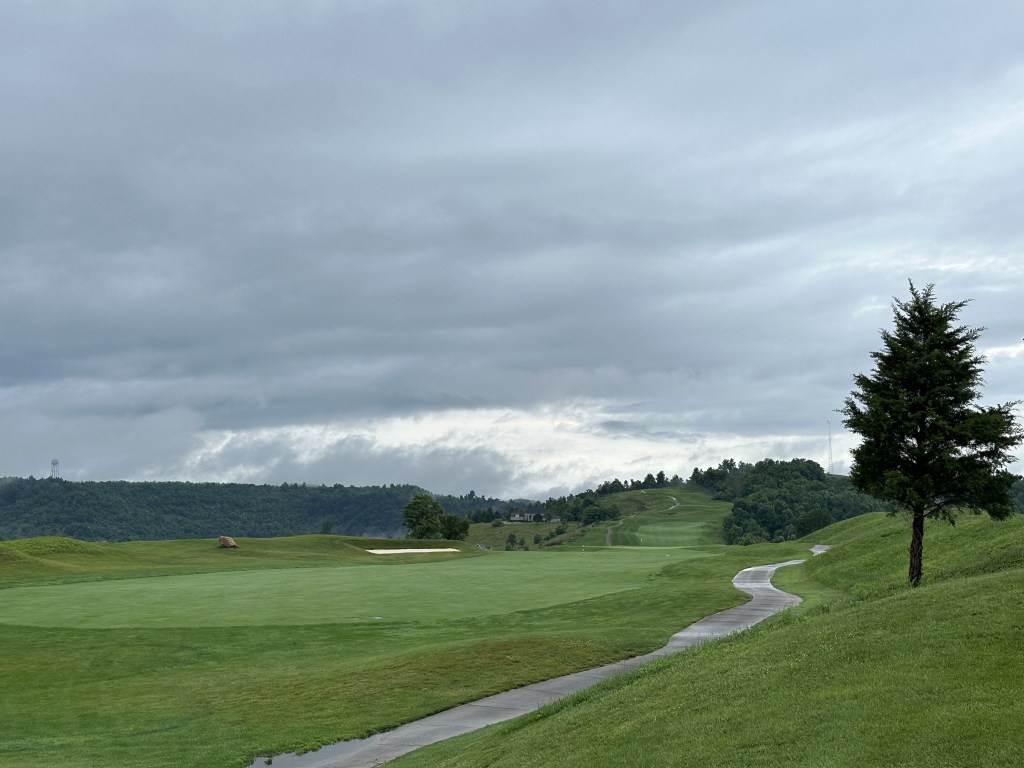
When you think about StoneCrest you probably think about a beautiful and upkept golf course with bent grass fairways and several extensive water features. However, this was not always the case. Before the course opened in 2001, it was a strip mine that provided work for the miners of Floyd County. The mine ran successfully for years, providing locals with a means of work, but unfortunately for Prestonsburg the industry shifted and lead to it being shut down. After closing, the city came together to develop something out of the extensive amount of land that was no longer being used and eventually decided on a golf course, making it one of a few courses to have been built on a reclaimed mine. With coal being the direct connection between the history of the region as well as the course it only made sense to have a tee marker that reflected that.

Why the bank mule?
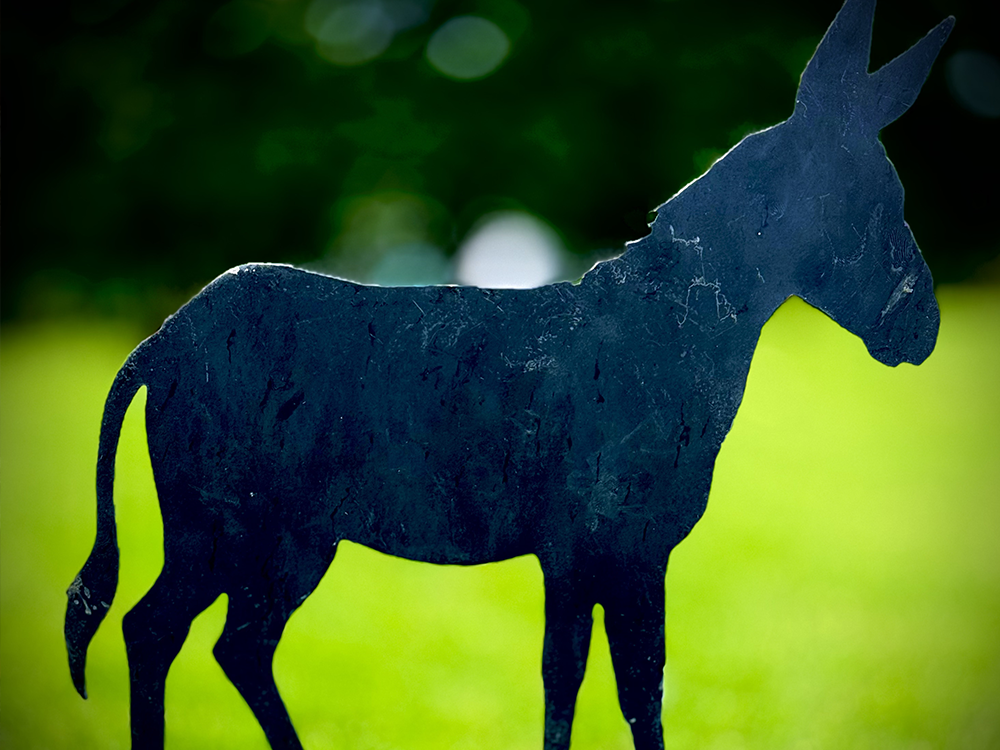
Before advancements in technology and equipment, miners were faced with the problem of having to remove several tons of rock from deep underground. With no real alternative, animal labor became the standard with mules becoming the preference. At the time, they were essential and provided workers with several advantages that didn’t come with horses. The mules were stronger and had more endurance, they required less feed and maintenance, these animals were more “sure footed” and harder to startle as well as more capable of getting into tighter spaces. Furthermore, they formed close bonds to the miners and were able to be stabled underground, but most importantly they were used in detecting dangers in the mine. With all of these advantages, they became the clear animal of choice and a big part of the culture. Additionally, Van Lear, Kentucky which was a large exporter of No. 9 coal, had become a staple in the image of the region as it started becoming more popular in mainstream mass media. Music, film, and journalism from other demographics became obsessed with Appalachia and its way of life, and with that Van Lear became a well-known area outside of the mountains. The rise in media presence brought new attention to the miners and photos began to surface. People who have never been to the mountains saw pictures of workers pulling lines of carts with these bank mules, so with enough time and coverage it became part of the region’s image. Even the name is tied to the culture, as a “bank” was what exposed seams of coal were called. With the history, culture, and media all reflecting the importance of the bank mule, as well as the history of the golf course, it was only fitting that it became the tee marker and by making it a part of our image we preserve a large part of our culture, history, and overall significance.


Photos of the Kentucky bank mule in the Coal Mines. Use of these images are for educational purposes only and not direct photos from the course. The first image came from http://www.usgwarchives.net/ky/bell/photos.html, the second came from https://americasbesthistory.com/spotlight2016-4.html, and the last from www.appalachianhistory.net/2018/12/mule-i-drove-was-called-old-red.html. All credit goes to the original owners. All sources of information come from archives from Appalachian studies.
What is the conclusion?
In conclusion, coal was the biggest influence on the development of life and culture in the Appalachian Mountains. Having had no other means of equipment to remove the rock with, animals were the only reasonable solution. Horses and Donkeys were used in mines traditionally, but it was found that the bank mule was better suited for the job in almost every aspect making them the perfect companion for any miner. Through time, shifts in the media enabled wider coverage of news as well as new interests in what the public wanted to see. Appalachia became a hot topic for journalism, film, photography, politics, and news which brought even the deepest hollers international. With the publicity came an image, and part of that image was the miner and the mule. Stonecrest being located in Floyd County and having been an old strip mine meant that there was a connection to the course and the greater history of the area. By using the bank mule to represent the golf course, StoneCrest has not only acknowledged, but helped to preserve, the history, culture, and deeper meaning of the mountains it is home to.